A stump is the part of tree removal people most often try to handle themselves. Grinding looks simple: rent a machine, chew the stump down, rake it out. Sometimes that works. Sometimes it turns into a long Saturday, a sore back, and a stump that's only half gone.
Here's what stump grinding costs in San Antonio when you hire it out, what renting a grinder really costs once everything is counted, and how to decide which makes sense for your yard.
Key Takeaways
- Published San Antonio ranges put professional stump grinding around $100–$600 per stump, with savings for multiple stumps.
- A rental's true cost includes transport, fuel, damage waiver, safety gear, cleanup, and your time.
- Call Texas 811 before grinding below grade — buried lines often run shallower than expected.
- DIY can work for small, open stumps; big oaks, mesquite, rocky ground, and several stumps favor hiring out.
What Professional Stump Grinding Costs
Published local ranges put stump grinding around $100 to $600 per stump in the San Antonio area. Some companies price by the inch of diameter measured at ground level, others by the stump or the hour, and most have a minimum charge to cover the trip and setup.
Several stumps in one visit usually bring the per-stump price down, and grinding the same day as a removal is often cheaper than scheduling it separately later. These are the factors that set the price:
- Diameter: The biggest single factor; a 36-inch oak stump is far more work than an 8-inch one.
- Root flare and surface roots: Wide-flared live oaks and roots running across the lawn add grinding time.
- Depth: Grinding deep enough to replant takes longer than grinding for sod.
- Access: Gate width matters; a stump behind a narrow gate needs a compact machine.
- Rock: Shallow limestone around Helotes, Boerne, and the Hill Country slows the work and wears teeth.
- Cleanup: Hauling away grindings and backfilling with soil adds to the cost.
What Renting a Grinder Really Costs
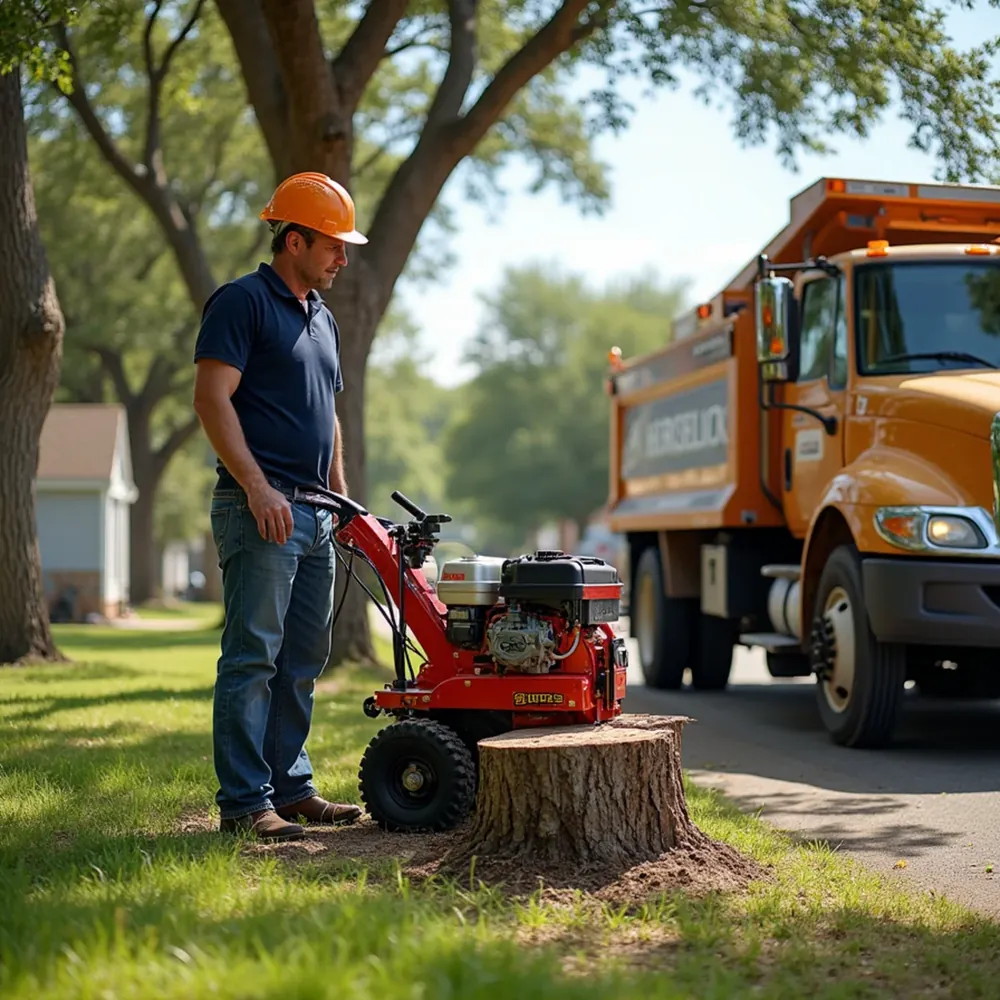
Home-improvement and equipment-rental stores rent walk-behind stump grinders by the half-day or day. Check your local store's current rate — then add the costs that don't show up on the rental counter:
- Transport: Most rental grinders need a truck with a hitch, or you pay for delivery.
- Fuel and damage waiver: Usually charged on top of the base rate.
- Time: A first-timer on a small machine can spend hours on one large stump.
- Safety gear: Eye and face protection, hearing protection, and sturdy boots are non-negotiable.
- Cleanup: The grindings still need to be raked out, hauled, or spread, and the hole filled.
Where DIY Grinding Goes Wrong
Rental machines are smaller and less powerful than professional grinders, so large stumps take a long time and often end up left high. The cutting wheel throws chips and rocks hard enough to break windows and injure bystanders, and a machine that catches a root can kick unexpectedly.
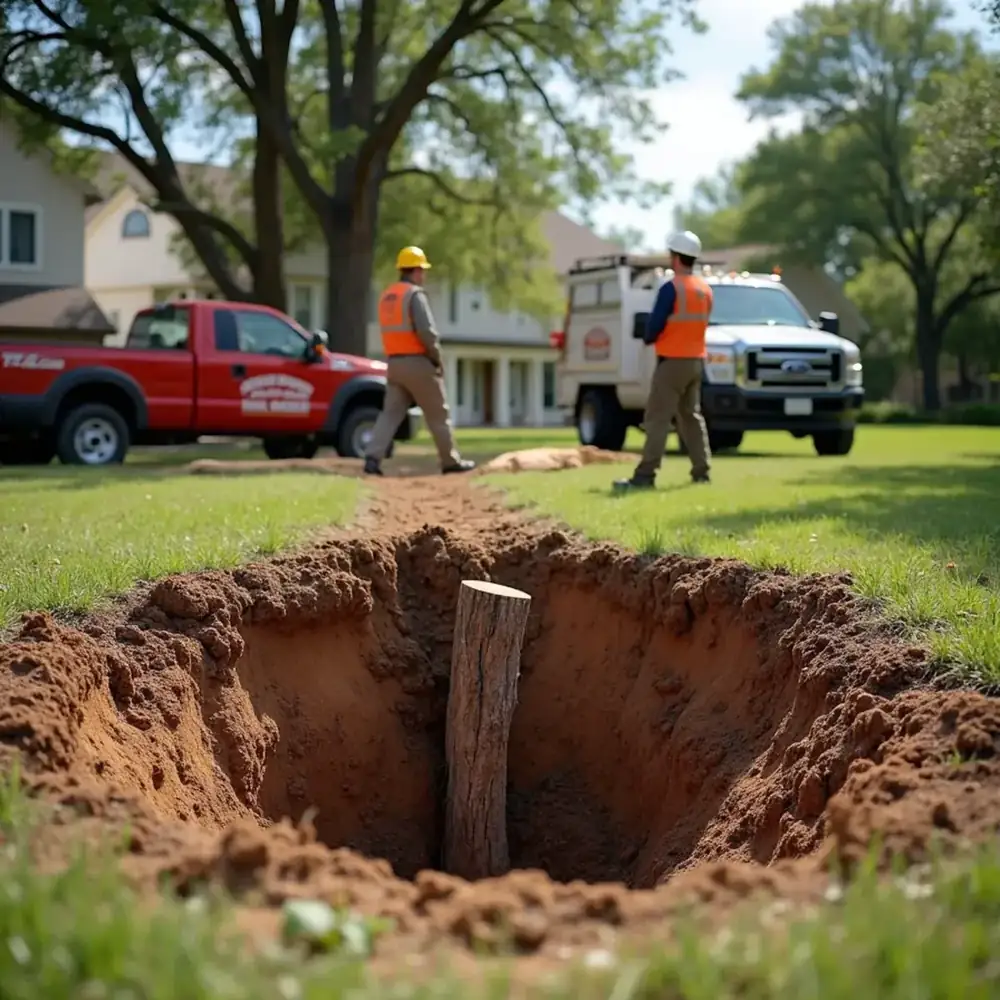
The bigger risk is underground. Texas law requires a call to Texas 811 before you dig, and grinding below grade counts — irrigation lines, cable, gas service lines, and electrical feeds to outbuildings often run shallower than people expect. Call 811 a few business days ahead and wait for the lines to be marked before you grind.
When Renting Makes Sense
DIY grinding can be a reasonable choice for one or two small, softwood stumps in open ground, with no utilities nearby and a confident operator. If you're comfortable with powered equipment and have a truck to tow the machine, a rental can save money on a simple job.
When Hiring a Pro Pays Off
For large hardwood stumps — especially live oak, pecan, and mesquite — or more than two or three stumps, hiring out usually costs less than renting once time and transport are counted. The same goes for stumps near foundations, fences, sidewalks, or irrigation, and for anything on rocky Hill Country ground where a small machine will struggle.
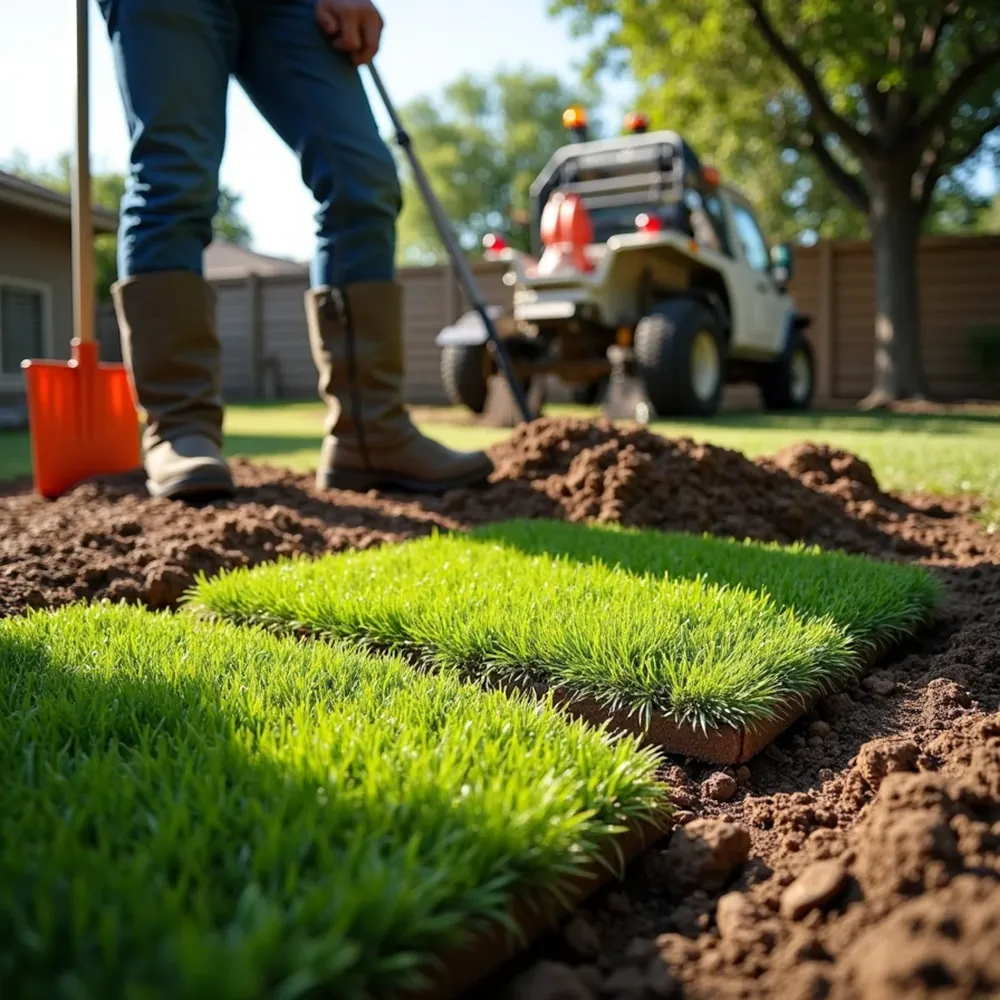
A professional crew can also grind deeper for replanting, chase the surface roots, and leave the area raked and ready for sod or seed.
Grind It or Leave It?
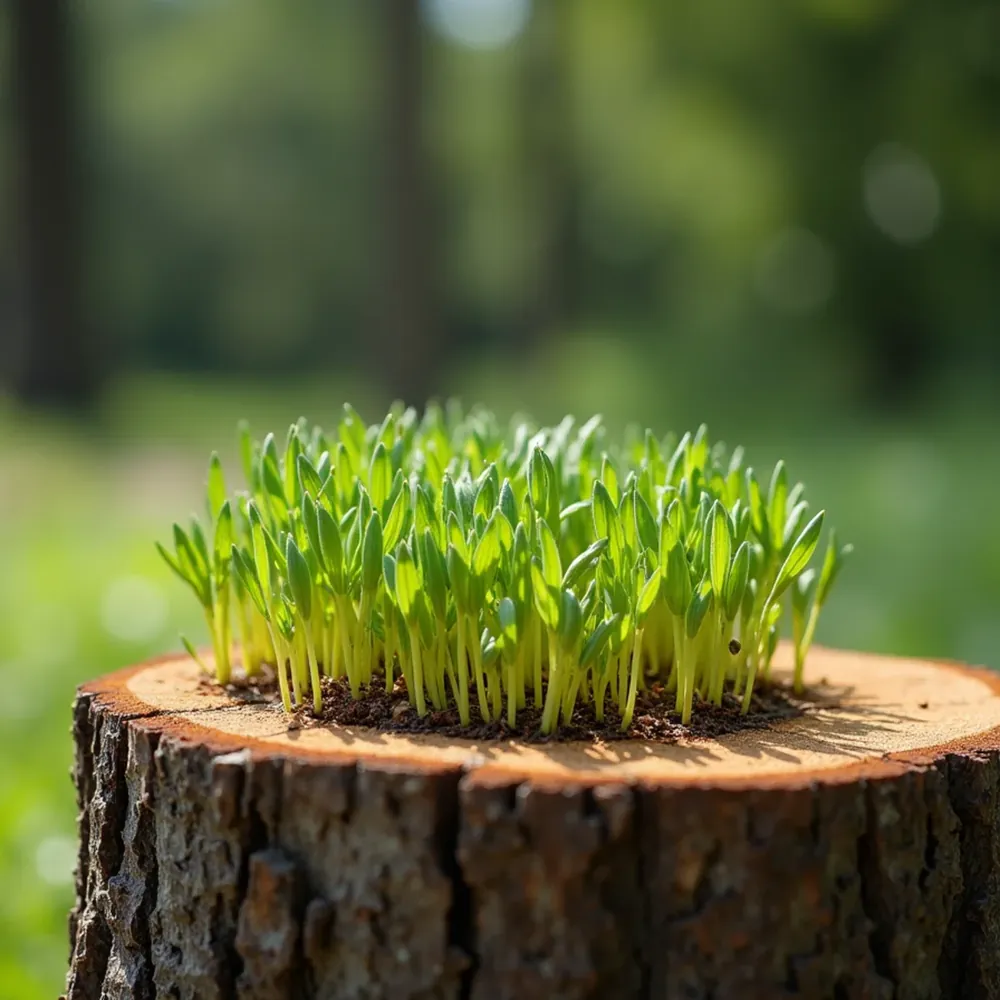
Not every stump has to go. A stump in a back corner can be left to decay, used as a planter base, or cut flush. But stumps from species that resprout — mesquite, hackberry, and Chinese tallow among them — keep sending up shoots until the root crown is ground out or treated, and old stumps attract termites and get in the way of mowing. If the stump is in the lawn or near the house, grinding is usually the cleaner long-term answer.
Related Services & Areas
Frequently Asked
How much does stump grinding cost in San Antonio?
What's the cheapest way to get rid of a tree stump?
Is it safe to rent a stump grinder and do it myself?
How deep do you grind a stump?
The Bottom Line
For one small stump in open ground, renting can work. For large hardwood stumps, rocky lots, several stumps, or anything near buried lines and structures, a professional grind usually costs less once everything is counted — and you get a clean, level spot ready for grass.
Need Help With Your Trees?
Get a free, no-pressure written estimate from a local, fully insured crew. Same-day and 24/7 emergency service available across San Antonio, Bexar County & the Texas Hill Country.