If you sit on an HOA board in San Antonio, the trees in your common areas are both an asset that boosts property values and a liability that can generate claims. A well-structured tree service contract protects the association on both fronts. Here's what boards should look for.
Key Takeaways
- Start with a tree inventory and hazard assessment of the common areas.
- A scheduled maintenance program beats reactive calls on cost and liability.
- Verify the city Tree Maintenance License, $300k liability, and workers' comp every time.
- The contract should define scope, cycle, storm-response priority, cleanup, and documentation.
Start With an Inventory and Assessment
You can't manage what you haven't measured. A good starting point is a tree inventory and hazard assessment of the common areas: what species you have, their condition, and which trees pose risks over walkways, parking, playgrounds, and buildings. This baseline turns tree care from reactive (fixing what breaks) into proactive (preventing failures), and it gives the board a defensible record of due diligence.
Scheduled Maintenance vs. One-Off Calls
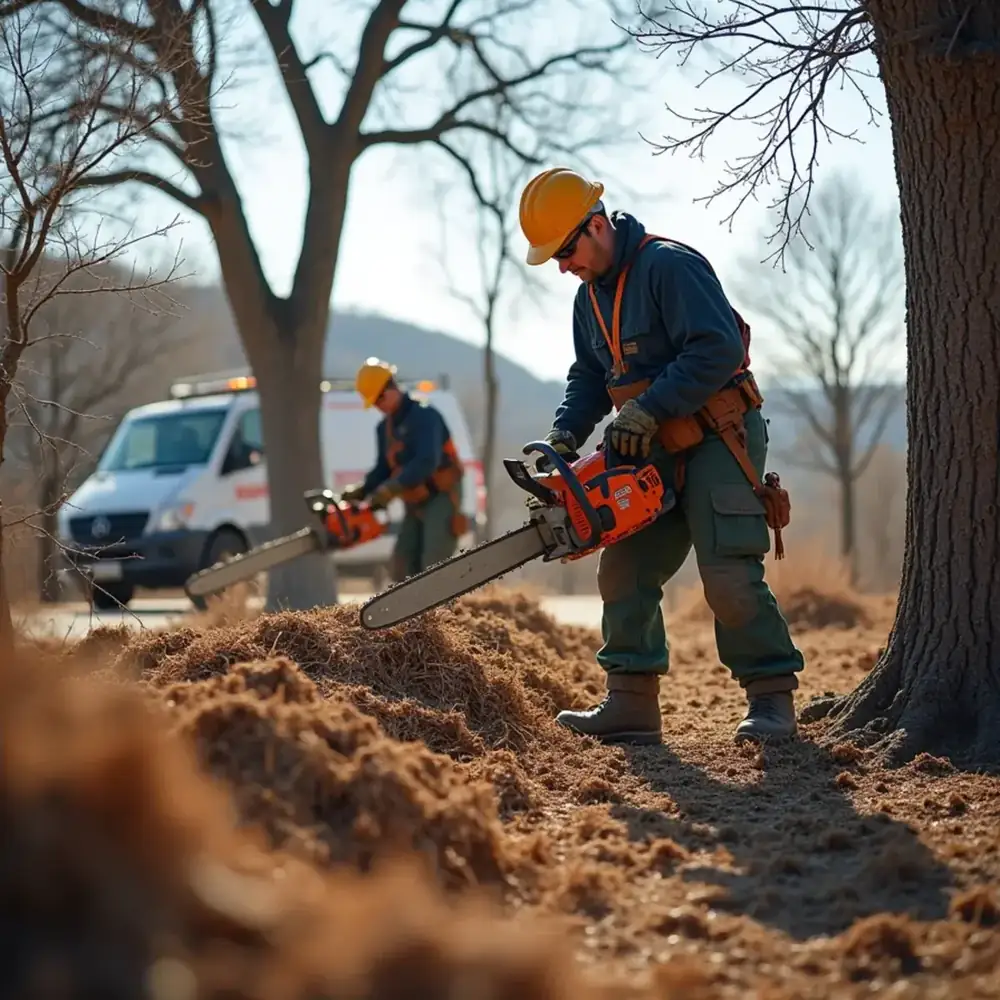
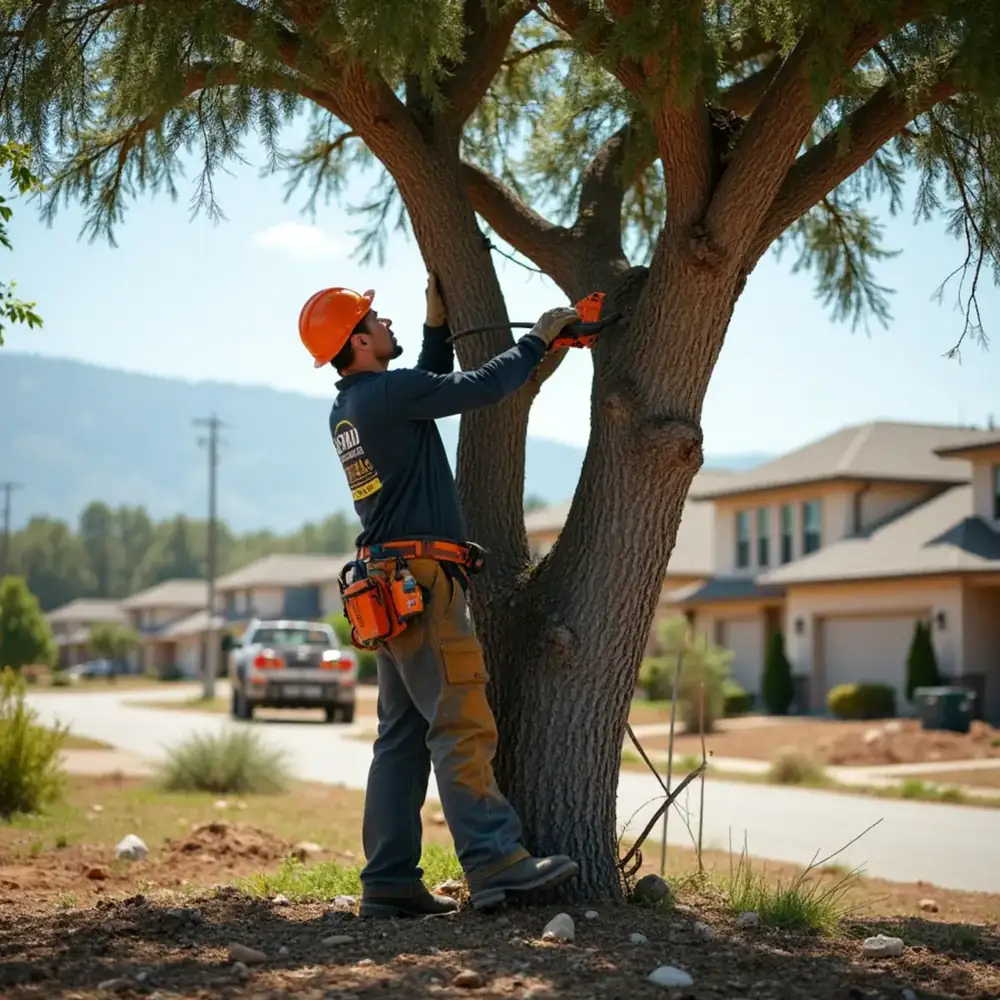
Ad-hoc tree work — calling someone only when a limb falls — is the most expensive and highest-liability way to manage a community's trees. A scheduled maintenance program (routine pruning, deadwooding, and clearance on a set cycle) is easier to budget, keeps trees healthier, and demonstrably reduces failures. For growing communities like Alamo Ranch with lots of young common-area trees, a program also ensures those trees are structurally pruned during the critical early years.
Verify Licensing and Insurance — Every Time
This is non-negotiable for a board. San Antonio requires a Tree Maintenance License for tree work inside city limits, with at least $300,000 in general liability insurance. Any contractor working on association property should provide a current license number, a general liability certificate, and workers' compensation information. If a crew is hurt on your property without proper coverage, the association can be exposed. Ask for the documents and keep them on file.
- City Tree Maintenance License: Required for tree work in San Antonio city limits.
- General liability insurance: At least $300,000; get the certificate.
- Workers' compensation: Protects the HOA if a worker is injured on site.
- Written scope & documentation: Itemized work and records for the association's files.
What the Contract Should Spell Out
A solid HOA tree contract defines the scope precisely: which trees and areas are covered, the service cycle, what's included (pruning, deadwooding, clearance, storm response priority) and what's extra, response times for hazards, cleanup standards, and documentation deliverables. It should also address oak-wilt-safe timing for any oak work and how permits for protected trees are handled. Clarity up front prevents disputes later.
The Documentation Payoff
Beyond healthy trees, the biggest benefit of a professional program is the paper trail. If a tree ever does fail and cause damage, records showing regular inspection and maintenance are the board's best defense. 'We had a documented program and were maintaining the trees' is a far stronger position than 'we dealt with problems as they came up.' Good documentation is cheap insurance for the whole association.
Related Services & Areas
Frequently Asked
What standards should a professional tree crew follow?
Does San Antonio require a Tree Maintenance License for tree contractors?
Do I need a permit to remove a tree in San Antonio?
The Bottom Line
For a board, documented, scheduled tree care with a licensed, insured crew is both a budgeting tool and a liability shield. Build the program before a tree forces the conversation.
Need Help With Your Trees?
Get a free, no-pressure written estimate from a local, fully insured crew. Same-day and 24/7 emergency service available across San Antonio, Bexar County & the Texas Hill Country.