Tree trimming is the most common tree job in San Antonio and one of the hardest to price over the phone. A crape myrtle by the porch and a 60-foot live oak arching over a two-story roof are both "a tree trim," but they have almost nothing in common once a crew shows up.
This guide pulls together the published price ranges for the San Antonio area, explains what actually moves the number, and shows you how to read a trimming quote so you can compare bids fairly. Every tree we price gets a written estimate after we see it; the figures below are a realistic starting point, not a quote.
Key Takeaways
- Published San Antonio–area figures put a typical tree trim around $250–$650, from under $100 for small ornamentals to $1,000+ for large oaks.
- Access, what's under the limbs, and the type of pruning move the price as much as tree height does.
- Trimming is usually far cheaper than removal, but paying to prune a failing tree only delays the bill.
- Compare quotes line by line: what gets cut, ANSI A300 standards, oak-wilt wound care, cleanup, and license.
Typical Tree Trimming Prices in San Antonio
Cost-guide sites that publish San Antonio–area figures put a typical trimming job at roughly $250 to $650 per tree, with the full spread running from under $100 for a small ornamental to $1,000 or more for a large, technical oak. Our own research brief for local work places routine pruning of smaller trees around $75 to $300 per tree.
Those ranges overlap because they describe different jobs. A low number usually means a small tree, easy access, and light work. A high number usually means a big tree, a climber or bucket truck, and limbs over something you'd hate to see damaged.
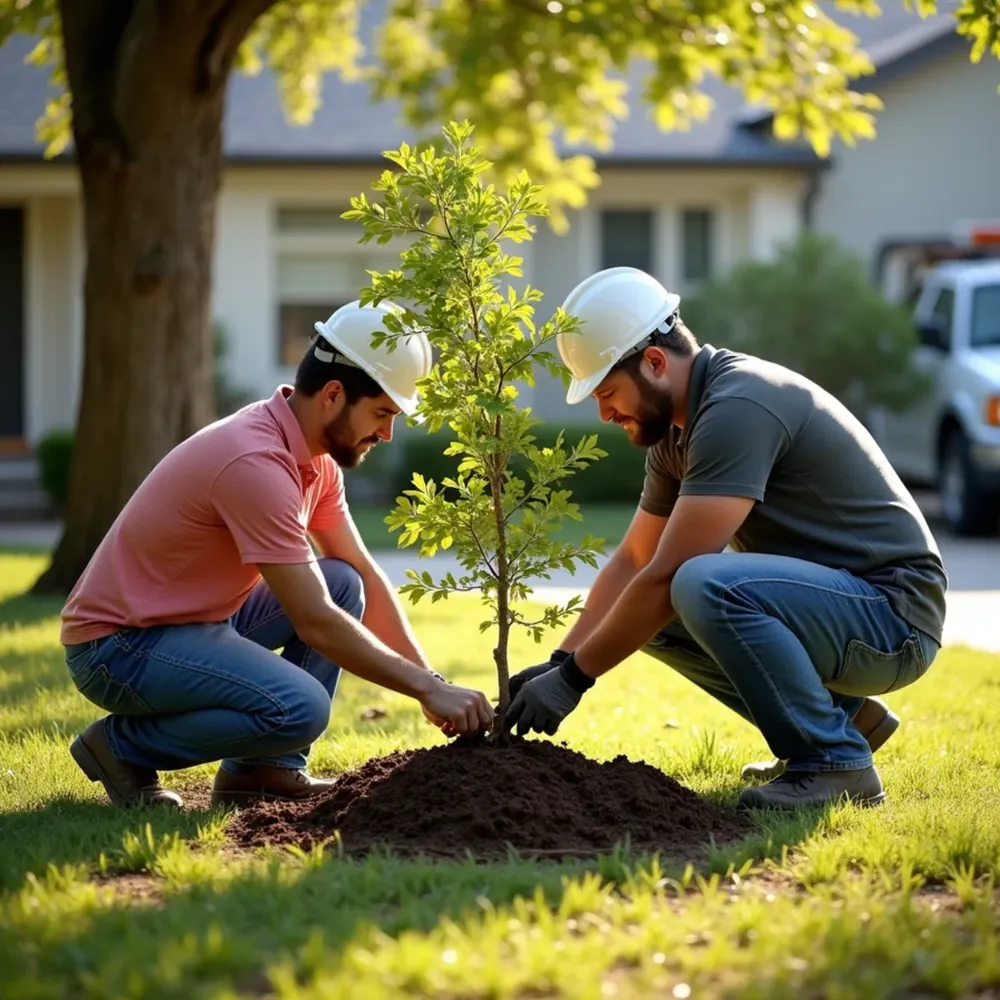
- Small trees (under about 15 feet): Ornamentals, young shade trees, and crape myrtles, often pruned from the ground or a ladder — usually the low end of the range.
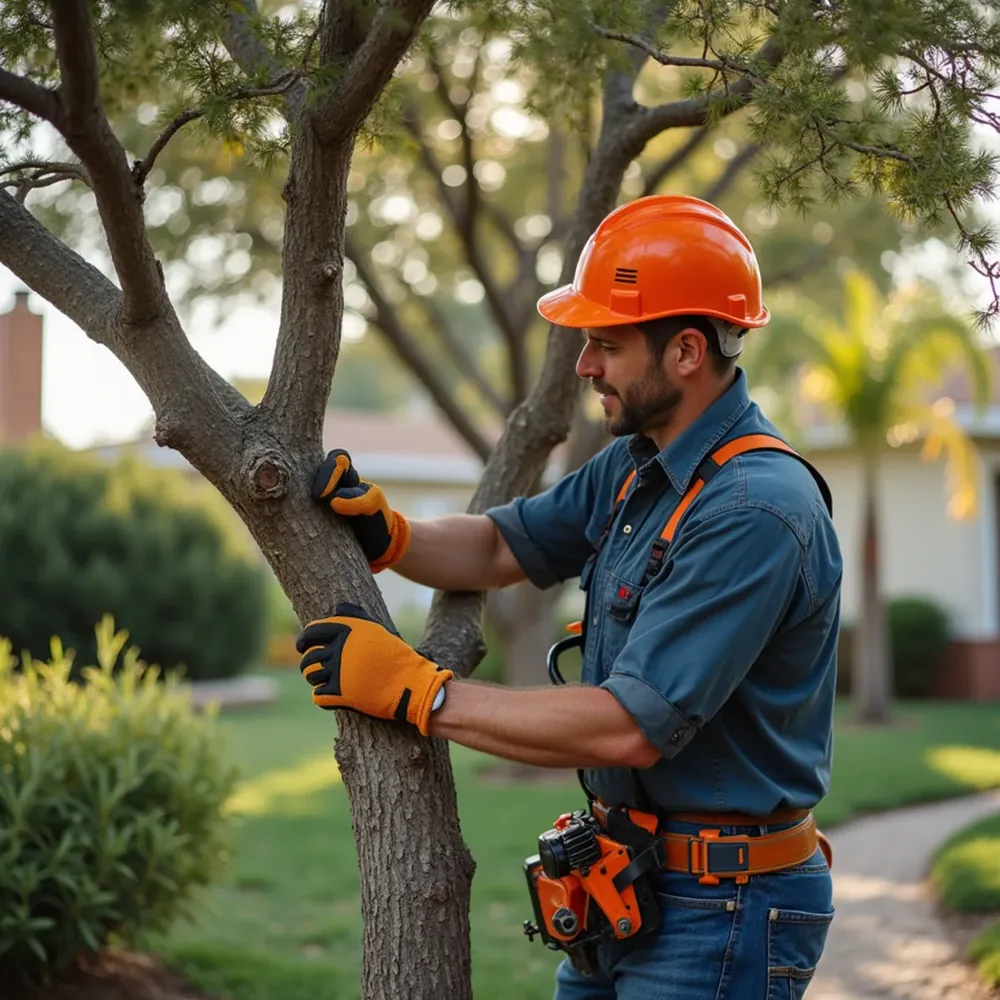
- Medium trees (about 15–30 feet): Most young live oaks, cedar elms, and Arizona ash in subdivision yards — mid-range, depending on access.
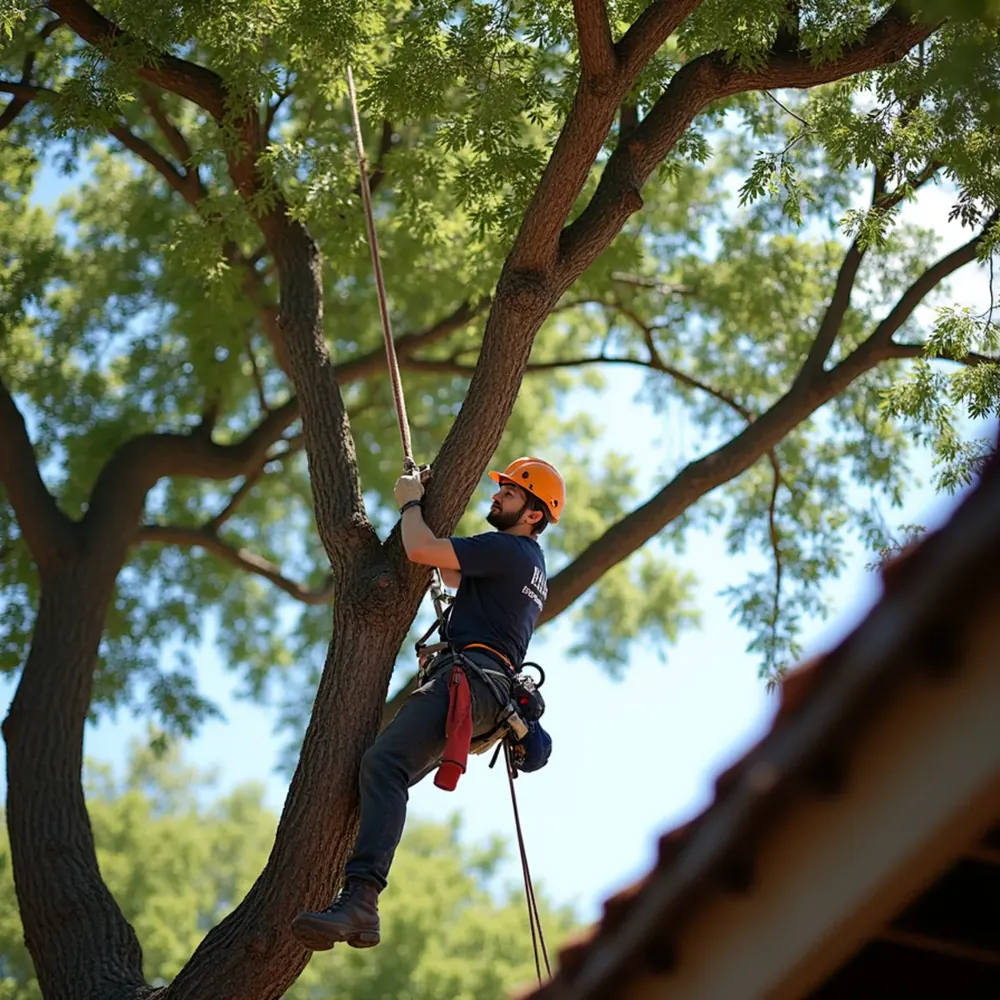
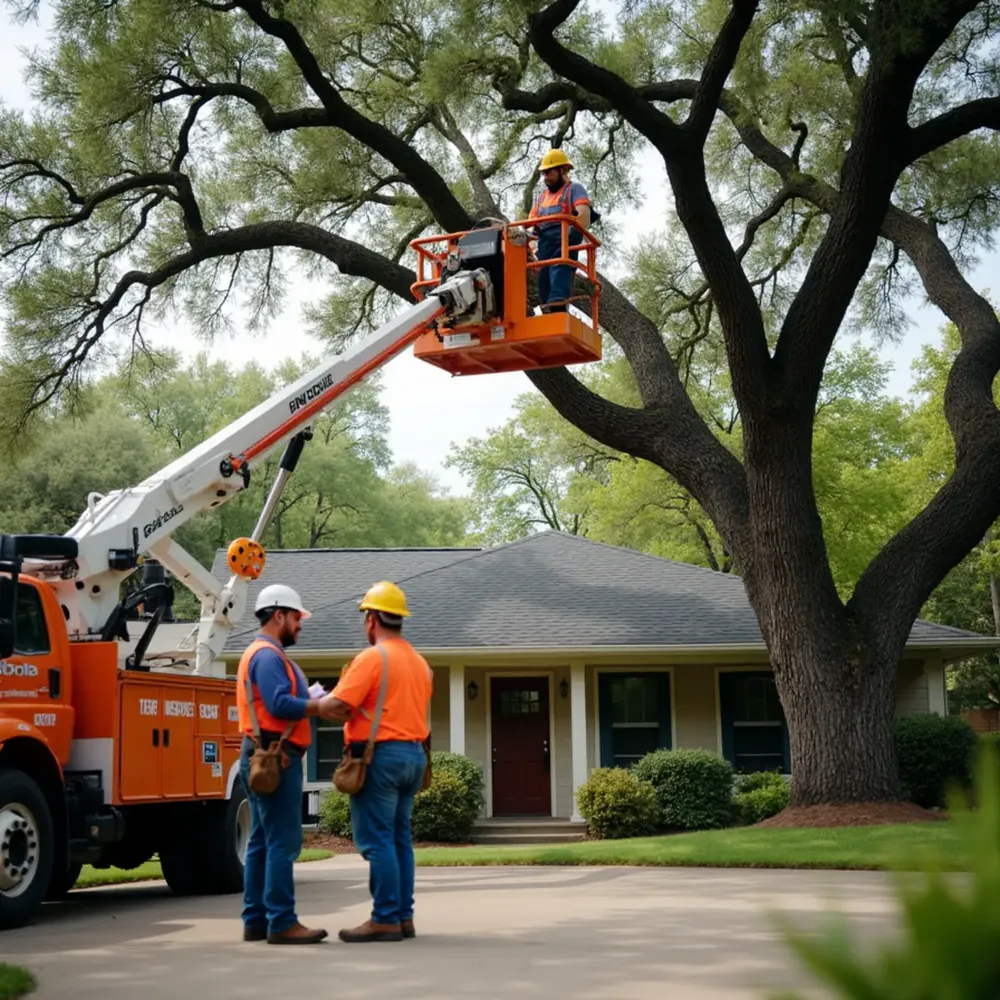
- Large trees (30 feet and up): Mature live oaks, pecans, and red oaks that need climbing gear or a lift — the upper end and beyond.
What Drives the Price Up or Down
Height is the obvious factor, but it's rarely the only one. These are the things we weigh when we price a trim:
- Access: A tree a bucket truck can reach from the driveway costs less than one in a fenced backyard that has to be climbed and hand-carried out.
- What's underneath: Limbs over a roof, pool, or power drop have to be roped down in pieces instead of dropped.
- Type of pruning: A deadwood cleanout is quicker than structural pruning or a crown reduction that needs careful cut-by-cut decisions.
- Tree condition: Decayed or storm-damaged wood takes more time and rigging to remove safely.
- Oak-wilt precautions: Live-oak cuts need immediate wound paint, and spring work may be postponed or limited.
- Cleanup and haul-away: Chipping and removing everything costs more than leaving wood cut to length.
- Number of trees: Several trees in one visit usually lower the per-tree price because setup is shared.
Is It Cheaper to Trim or Cut Down a Tree?
Trimming is almost always cheaper in the short run. Removing a large tree in San Antonio commonly runs into the thousands — published local ranges for large mature-tree removal sit around $3,500 to $12,000 — while trimming the same tree might cost a fraction of that.
The better question is what the tree needs. A healthy oak with a few dead limbs over the roof should be pruned. A tree with a cracked trunk, extensive decay, or a fresh lean toward the house may be a removal no matter what trimming would cost, because paying to prune a failing tree just postpones the bill. When a tree is borderline, we lay out both options in writing.
How Often Should You Trim?
Most mature shade trees in San Antonio do well with maintenance pruning every three to five years, while young trees are pruned more often to set good structure. Fast growers near the house, trees loaded with ball moss, and anything that dropped limbs in the last storm may need attention sooner.
Timing matters as much as frequency. Live oaks and red oaks are best pruned outside the February 1 to July 1 oak-wilt window, and booking routine work in the cooler months also gives you more scheduling flexibility.
How to Compare Trimming Quotes
Two quotes for "trim the oak" can describe completely different jobs. Before you compare prices, make sure each estimate answers the same questions:
- What exactly will be cut: Deadwood over a stated size, roof clearance to a stated height, crown thinning by a stated amount — not just "trim."
- Standards: ANSI A300 pruning cuts at the branch collar, with no topping and no lion-tailing.
- Oak-wilt handling: Wound paint on every oak cut and a plan for the February–July risk season.
- Cleanup: Whether brush is chipped and hauled, and whether wood is left or removed.
- Credentials: A current San Antonio Tree Maintenance License number and proof of liability insurance.
Ways to Lower Your Trimming Bill
A few choices can bring the price down without cutting corners on the work itself:
- Bundle trees: Have every tree that needs work done in the same visit.
- Book the cool season: Late fall and winter are the right season for oaks anyway, and schedules are more flexible.
- Keep the wood: If you burn firewood, having it cut to length and left on site reduces haul-away.
- Don't wait for a hazard: A planned trim costs less than an emergency call after a limb lands on the roof.
Related Services & Areas
Frequently Asked
How much does tree service cost in San Antonio?
Is it cheaper to trim a tree or cut it down?
How often should trees be trimmed in San Antonio?
When is the best time to schedule preventive tree pruning in San Antonio?
The Bottom Line
Tree trimming in San Antonio usually costs a few hundred dollars per tree, but the right number depends on the tree, the access, and what's underneath it. Get every quote in writing, make sure it describes the actual cuts, and book oak work for the cooler months — you'll pay a fair price for pruning that leaves the tree stronger.
Need Help With Your Trees?
Get a free, no-pressure written estimate from a local, fully insured crew. Same-day and 24/7 emergency service available across San Antonio, Bexar County & the Texas Hill Country.