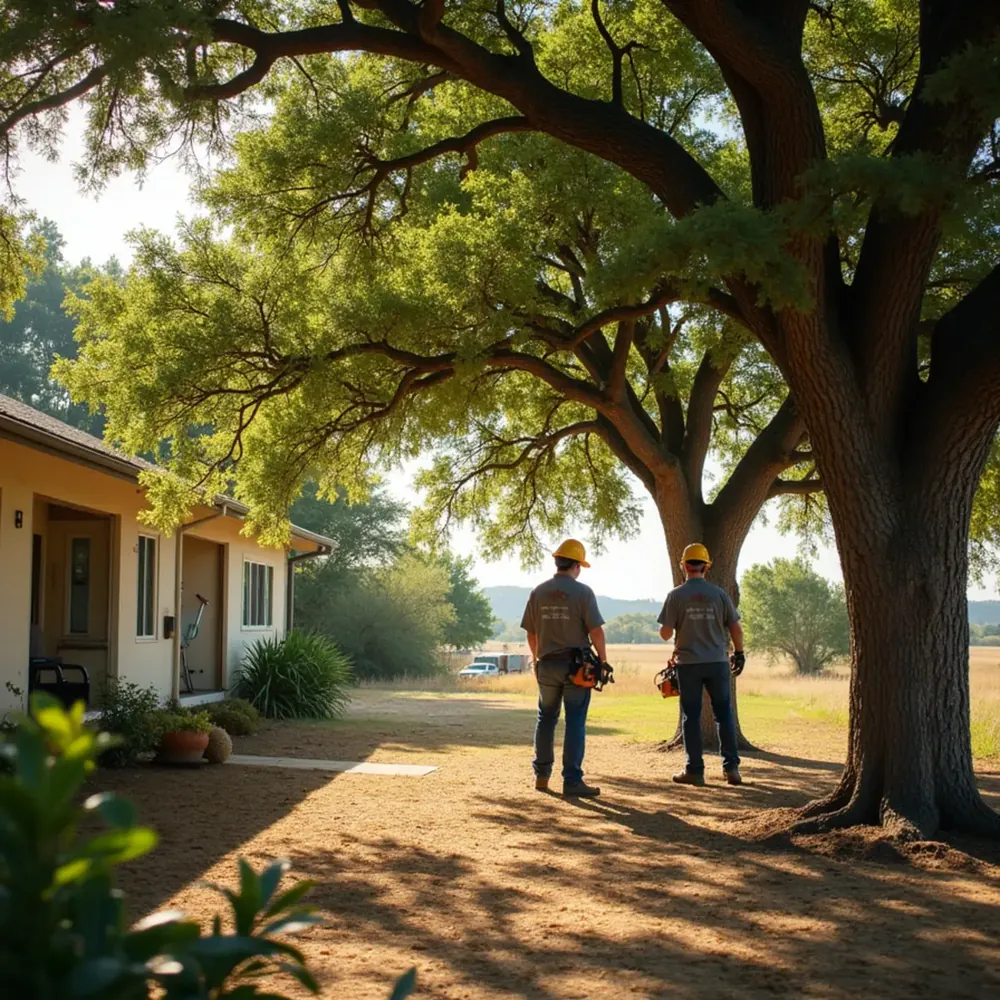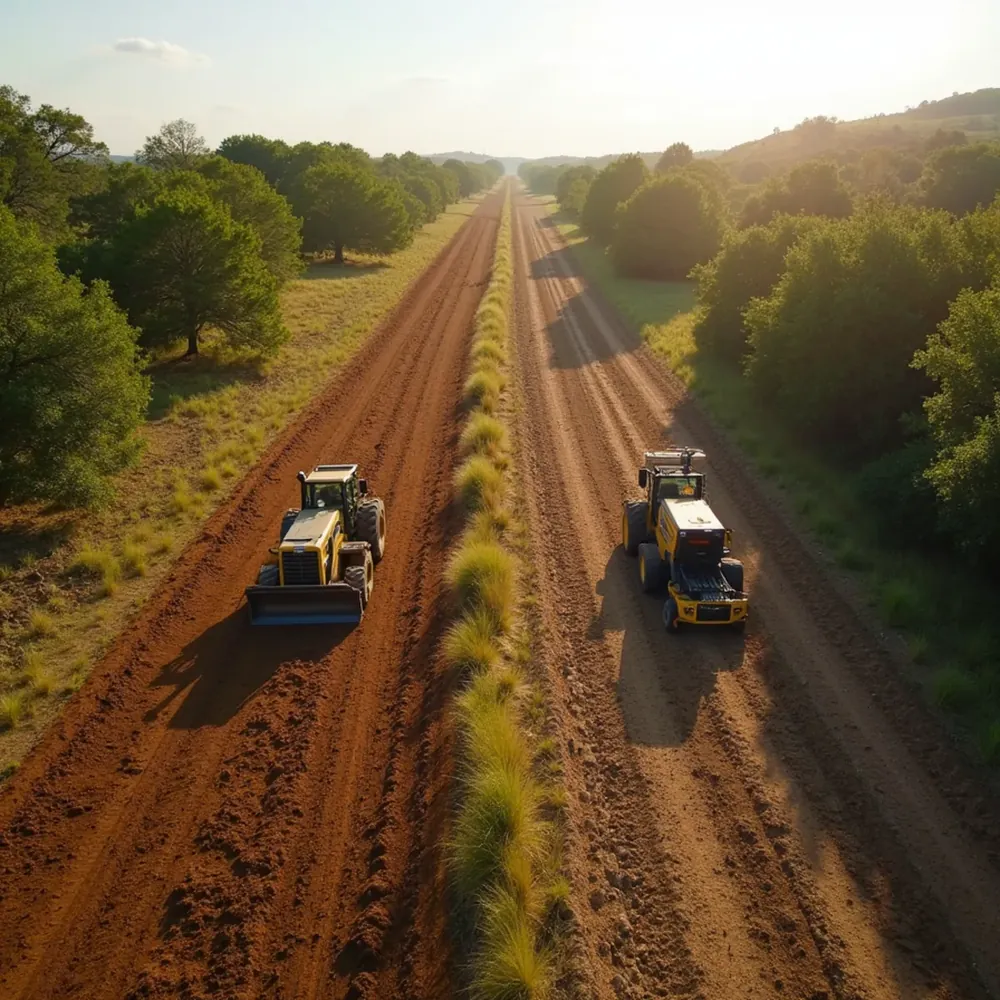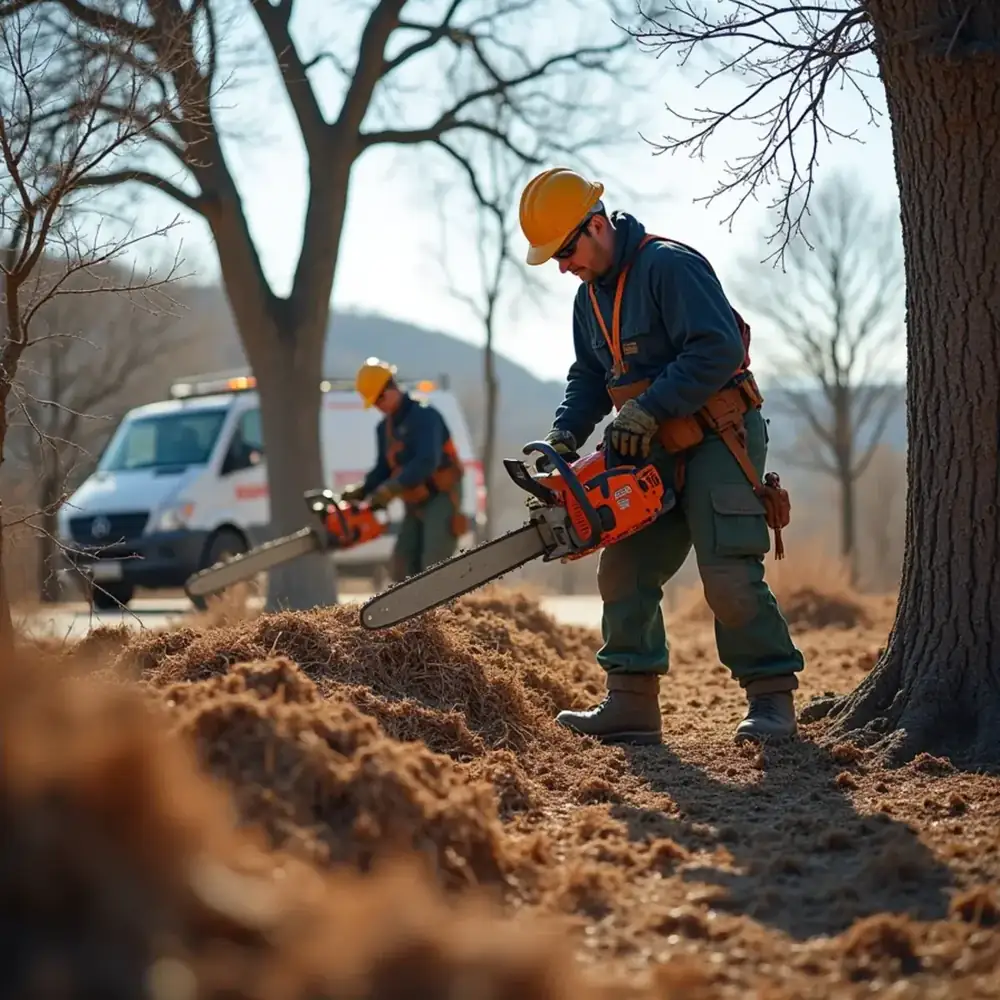
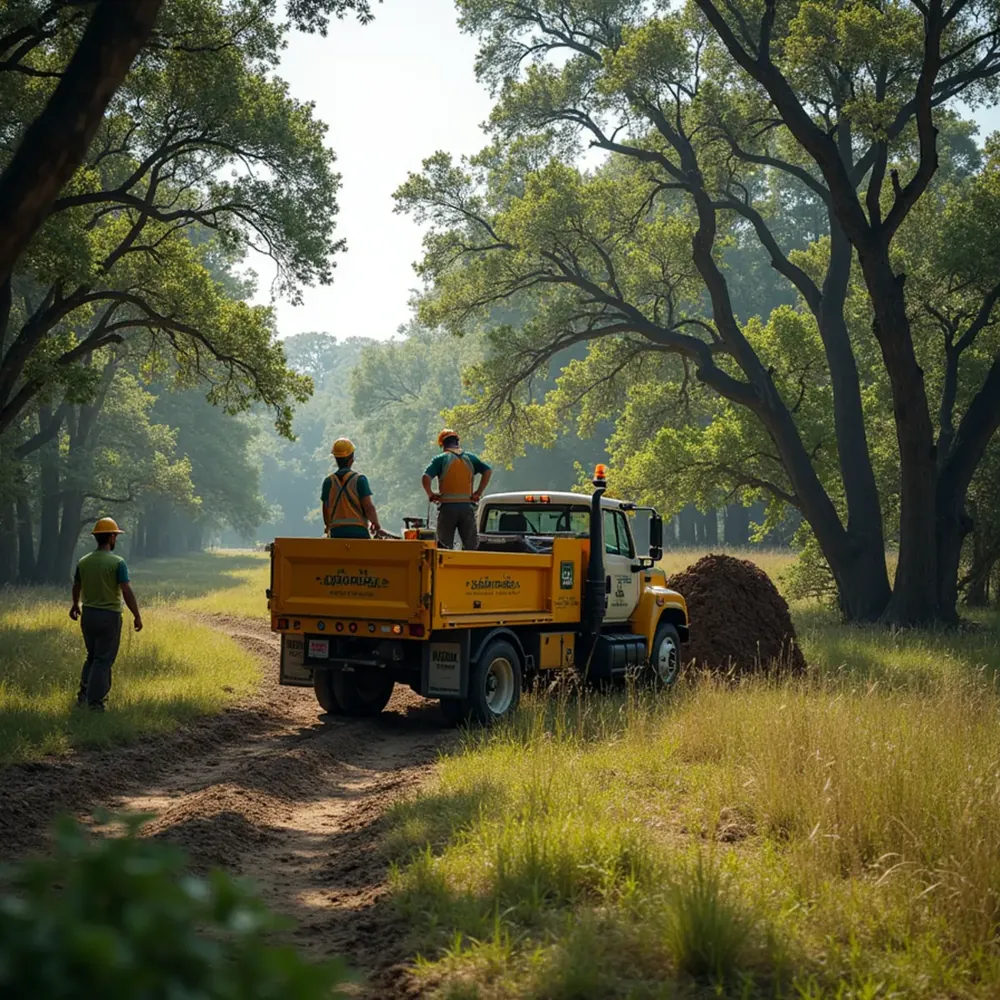
Land clearing prices around San Antonio vary more than almost any other kind of tree work. Two five-acre properties a mile apart can differ by thousands of dollars, depending on what's growing on them, what's under the soil, and what the owner wants when the work is done.
Here's what published local figures say, what drives the cost per acre, and how to scope a project so the quotes you get are accurate and comparable.
Key Takeaways
- Published San Antonio-area figures put land clearing around $2,500–$6,000 per acre; mulcher days run about $3,000.
- Density, trunk size, rock, slope, method, and debris handling drive the per-acre price.
- Cedar doesn't resprout when cut low, so a thorough clearing lasts — and it's cheaper before cedar gets big.
- Mulching most of the acreage and fully clearing only the homesite is often the most cost-effective plan.
Published Price Ranges
San Antonio-area land-clearing companies publish figures that make a useful starting point. One lists typical land clearing at around $2,500 to $6,000 per acre. Another prices skid-steer forestry mulching at about $3,000 per day, with the acreage covered per day depending on how dense the growth is.
Treat these as ballpark numbers, not a quote. Light brush on flat, open ground can come in under the low end, while dense, mature cedar on steep, rocky slopes can run past the high end.
What Drives the Cost Per Acre
Every acre is different. These are the factors that move the price:
- Vegetation density: Scattered brush clears quickly; a wall of mature cedar can take many times longer per acre.
- Trunk size: Saplings grind fast; large trees may need cutting before mulching or removal.
- Terrain and rock: Slopes, ravines, and limestone ledges slow machines and wear equipment.
- Method: Mulching in place usually costs less than pulling stumps, hauling, and grading.
- Selectivity: Clearing around many keeper trees takes more care than clearing everything.
- Debris handling: Hauling, grinding, or burning piles adds cost to traditional clearing.
- Access and mobilization: Getting equipment to remote or gated parcels adds transport time.
Cedar Clearing Specifics
Most Hill Country clearing projects are really cedar projects. Ashe juniper spreads quickly into old pasture and between oaks, uses a lot of water, and is a fire-fuel concern near homes. The good news: cedar doesn't resprout when it's cut below its lowest green branch, so one thorough clearing can hold for years with light maintenance.
Big, old cedar costs more per acre than young regrowth, so the sooner you deal with spreading juniper, the less it costs.
Mulching vs. Full Clearing on Price
Forestry mulching usually costs less per acre because it's a single operation with no hauling or burning. Full clearing, with stump removal and debris disposal, costs more but produces ground ready for construction. Many owners save by mulching most of the property and fully clearing only the homesite, driveway, and septic area.
Costs People Forget to Plan For
Ask about these before you sign:
- Follow-up on resprouting brush: Mesquite and huisache come back without treatment.
- Erosion control: Exposed slopes may need silt fence or seeding.
- Burn restrictions: Burn bans can stall traditional clearing that relies on burning piles.
- Permits and local rules: Some cities and developments have tree-preservation or site rules that affect clearing.
How to Get an Accurate Quote
Walk the property with the contractor. Point out the boundaries, the trees you want to keep, any wells, septic systems, or buried lines, and the end use — pasture, homesite, trails, or views. A written quote should state the method, the area covered, what happens to debris, what's left behind, and how keeper trees will be protected. With that scope in hand, you can compare bids fairly.
Related Services & Areas
Frequently Asked
How much does land clearing cost per acre around San Antonio?
How much does forestry mulching cost in the San Antonio area?
When is the best time to clear cedar?
The Bottom Line
Land clearing around San Antonio typically runs into the low thousands per acre, but the real number depends on what's growing, what's underfoot, and what you want when it's done. Define the goal, mark what stays, and get a written, method-specific quote.
Need Help With Your Trees?
Get a free, no-pressure written estimate from a local, fully insured crew. Same-day and 24/7 emergency service available across San Antonio, Bexar County & the Texas Hill Country.