A tree comes down in your yard, and the first thought after 'is everyone okay?' is usually 'will insurance cover this?' The frustrating truth is that it depends — on what the tree hit, why it fell, and the specifics of your policy. Your insurer makes the final call, but understanding the general rules helps you set expectations and document properly.
This is general information, not policy advice — always confirm coverage and required documentation with your own insurer.
Key Takeaways
- Coverage usually hinges on whether the tree hit a covered structure — house, garage, or fence.
- A tree that falls and damages nothing is often not covered for removal.
- Damage from a sudden peril (storm, wind) beats damage from an obviously neglected dead tree.
- Save dated photos, the estimate, the invoice, and disposal records for the adjuster.
The Big Factor: Did It Hit Something Covered?
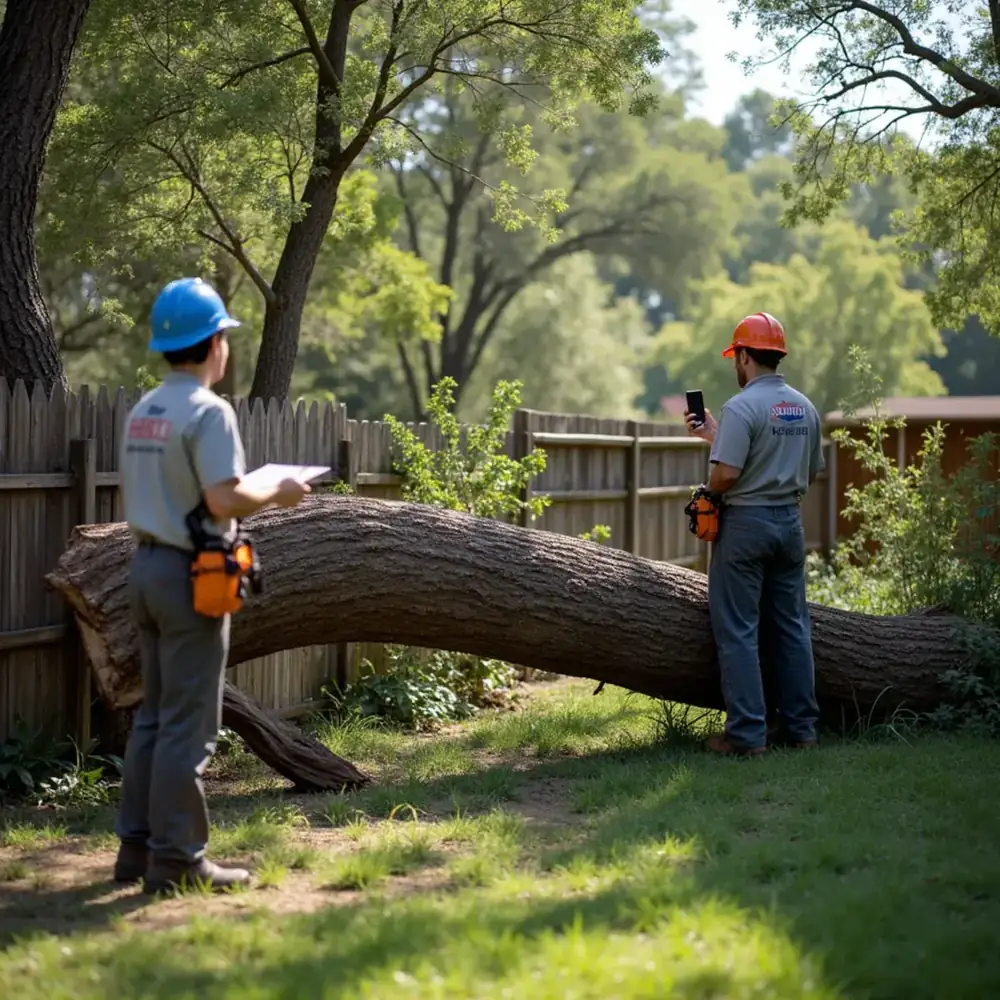
As a general rule, homeowners policies are more likely to help when a fallen tree damages a covered structure — your house, garage, fence, or sometimes a vehicle (often under auto comprehensive coverage instead). If a tree falls and hits nothing, many policies won't pay to remove it, because there's no covered damage, though some offer limited debris-removal coverage in specific situations.
Why the Tree Fell Matters
Coverage often hinges on the cause. Damage from a sudden, covered peril — a storm, wind, or hail — stands a better chance than damage from a tree that was obviously dead or neglected. If an insurer determines a tree failed because it was long dead and the owner ignored it, they may deny or reduce the claim. This is one more reason to address hazard trees proactively rather than waiting.
What's Often Covered — and What's Often Not
Every policy differs, but common patterns look like this:
- Often covered: Removal needed to reach and repair a damaged covered structure, and repair of that structure.
- Sometimes covered: Limited debris removal even without structure damage; a tree blocking a driveway or handicap ramp.
- Often not covered: Removing a fallen tree that damaged nothing, or preventive removal of a hazard tree before it falls.
- Check specifically: Stump grinding, landscaping replacement, and additional tree work are frequently excluded or limited.
How to Document Your Claim
Documentation makes or breaks a claim. Before cleanup, photograph the whole tree, the close damage, roof or vehicle damage, fences, and debris — all dated. Keep the estimate, the invoice, and disposal records. Note when the storm hit. In areas like Universal City that see recurring wind and ice cycles, keeping records of prior tree maintenance also helps show the tree was cared for.
How a Tree Service Helps
A professional crew provides the itemized documentation adjusters expect: a clear scope of work separating removal, structure access, debris, and stump work, plus photos and disposal records. We can also tarp and protect exposed areas to prevent the further damage most policies expect you to mitigate. We don't decide your coverage — your insurer does — but we make the paperwork side as clean as possible.
Related Services & Areas
Frequently Asked
Does homeowners insurance cover storm-damaged tree removal and cleanup?
What should I photograph for an insurance claim?
How do I know whether a damaged tree needs removal?
The Bottom Line
Your insurer makes the final call, but strong documentation and a well-maintained yard give you the best shot. When in doubt, photograph first and ask your carrier before assuming anything is or isn't covered.
Need Help With Your Trees?
Get a free, no-pressure written estimate from a local, fully insured crew. Same-day and 24/7 emergency service available across San Antonio, Bexar County & the Texas Hill Country.